

.png) 3 day_ago
5
3 day_ago
5
NE LAISSER PAS LE 5G DETRUIRE VOTRE ADN Protéger toute votre famille avec les appareils Quantiques Orgo-Life® Publicité par Adpathway
Australians living in some of the country’s highest‑charging council areas say they’re being slugged with steep rate rises while seeing little change in basic services, as new figures show annual bills climbing well above inflation.
Across several states, homeowners are now paying between $1,300 and nearly $3,000 a year, with many councils confirming increases of 3 per cent to 12 per cent for the coming financial year.
Six of the 10 most expensive councils in Australia are in South Australia, including Roxby Downs where the average rate bill sits at $2,646 — driven by its remote location, small population and high operational costs.
Know the news with the 7NEWS app: Download today
In Victoria, Nillumbik Shire remains one of the priciest at an average of $2,696 a year.
Capital‑city averages still put Adelaide at the top, typically between $2,200 and $2,300, ahead of Melbourne, Brisbane and Sydney. Canberra remains the outlier, with ACT government charges pushing typical bills to $2,500–$4,500 or more.
 South Australia has the highest average council rates. Credit: Shutterstock
Councils argue rising waste‑processing costs, insurance premiums and ageing infrastructure are driving the increases, saying they’ve already cut internal spending and delayed non‑essential projects.
But many residents say the explanation doesn’t match what they see on the ground.
Sarah, 42, from coastal NSW, says her rates have climbed nearly $400 in three years and she “can’t point to a single improvement”.
Her street still has potholes, the footpath is cracked and the local playground “hasn’t been touched in a decade”.
“I’m paying more every year for the exact same thing. Nothing has changed,” she said, adding that several neighbours are considering selling because the increases are “just another cost they can’t absorb”.
In regional South Australia, retiree Tony, 67, says his council’s latest 7.2 per cent rise feels like “a slap in the face” as his pension fails to keep pace. His annual bill is now above $2,300.
“My life hasn’t gone up 7 per cent. Nothing in my street has gone up 7 per cent except the rates,” he said.
“If they’re going to charge us more, show us where the money is going.”
National municipal rate revenue, which is the total monies brought in by council, has climbed to $25.1 billion in 2024–2025, up from $16.9 billion a decade earlier. Victoria collected $6.636 billion, ahead of NSW’s $6.2 billion, despite NSW having more dwellings.
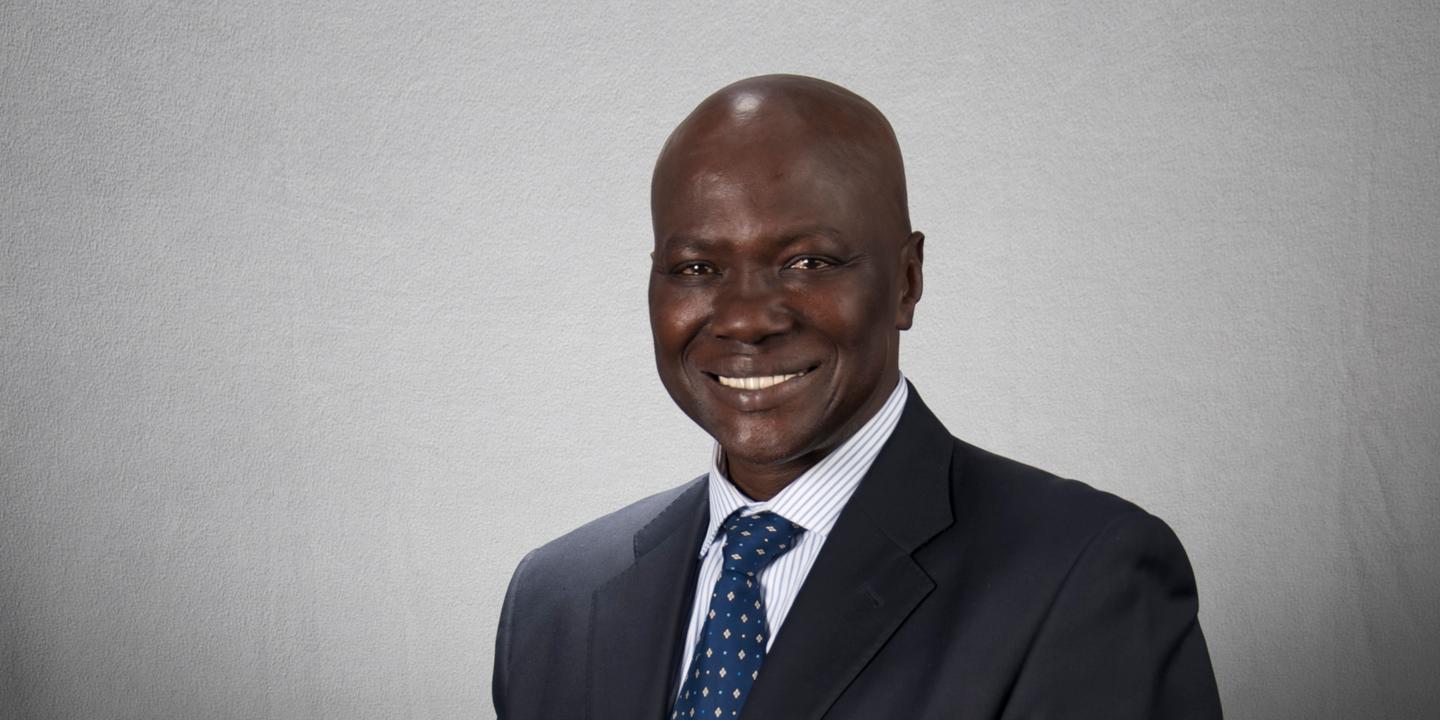
Some councils say their higher bills reflect what’s included. Peppermint Grove in WA told 7NEWS it sits “in the middle of the pack”, noting its rates include waste collection — a charge many councils bill separately. CEO Don Burnett said the average rates are higher partly because of property values.
“The average rates levied for residential properties in the shire is higher than many local governments and this is a consequence of higher GRVs for some properties,” he said.
“However, it is pointed out that at least 11 other local governments would be charging higher rates for these same high‑end properties in their local governments.”
In Sydney, Mosman Council said its average residential rate of $1,839 is “mid‑range” compared with similar councils.
“Mosman did not seek any special rate variations for the 2026–2027 financial year,” a spokesperson said.
“Through careful and considered sustainable financial management, we are forecasting a budget with a modest surplus. This comes at a time when many other councils across the state have introduced special rate variations or face the challenge of cutting services, programs or projects.”
Mosman says its 2026–2027 budget will fund upgrades including the redevelopment of Middle Head Oval Pavilion, accessibility improvements at Balmoral Beach and a new playground at Rosherville Reserve.
 South Australia also has some of the highest rate rises Credit: AAP
Rates rising to meet operational costs
Rate rises are at an all‑time high, with South Australia again featuring prominently again.
Southern Mallee lifted rates 9.6 per cent, Adelaide Hills 6.8 per cent, Holdfast Bay 6.6 per cent, Marion 4.8 per cent and Mount Barker 4.9 per cent.
Queensland recorded the highest increase nationally, with North Burnett raising rates 12.5 per cent, compared to Rockhampton’s 5.5 per cent.
Councils cite higher wages, construction costs, insurance premiums, waste levies, interest costs and deferred road maintenance as key pressures. Rural councils face additional challenges maintaining thousands of kilometres of roads with small rate bases.
Quiet sting catching out homeowners
Part of the frustration for homeowners is that the advertised percentage often doesn’t match the bill they receive. A council may promote a 4 per cent rise, but rates are calculated using updated property valuations.
If your land value jumps more than the municipal average, your personal bill can climb 8 per cent, 10 per cent or even 15 per cent. This is particularly common in NSW, Queensland and the ACT, where land values play a major role.
Rural and remote councils also tend to charge more because they maintain extensive road networks, bridges, waste facilities and community spaces with far fewer ratepayers to spread the cost.
Meanwhile, special rate variations are becoming more common as councils try to clear infrastructure backlogs. Blacktown in NSW has approval for a 28.6 per cent rise over three years, while the Sunshine Coast in Queensland has flagged a minimum 11.6 per cent increase for 2026–2027.
Utility charges add another layer. Waste collection, sewerage, stormwater and environmental levies often rise faster than general rates, meaning a 4 per cent increase can become 6 per cent to 8 per cent once all charges are included.
Metropolitan councils are generally holding increases lower — Brisbane at 3.97 per cent, Cairns at 3.95 per cent and the Gold Coast at 4.7 per cent. Victoria’s statewide rate cap also keeps annual increases modest, although individual households can still see large jumps if their property valuation changes significantly.
Typical annual rates vary widely across Australia. A detached home in Sydney might pay between $1,500 and $2,500 a year.
Melbourne sits around $1,500 to $2,300, Brisbane around $1,600 to $2,300 and Adelaide between $2,000 and $2,500.
ACT government charges push many Canberra households into the $2,500 to $4,500‑plus range.
The long‑term trend is clear: councils warn road maintenance, ageing infrastructure, insurance premiums and waste costs are rising faster than rate revenue.
To close the gap, more councils are turning to above‑inflation increases or special variations.
Homeowners say the pressure is becoming unsustainable.
“It would be nice for them to sort themselves out before simply put the rates up,” Tony said.









.jpg)




 French (CA)